
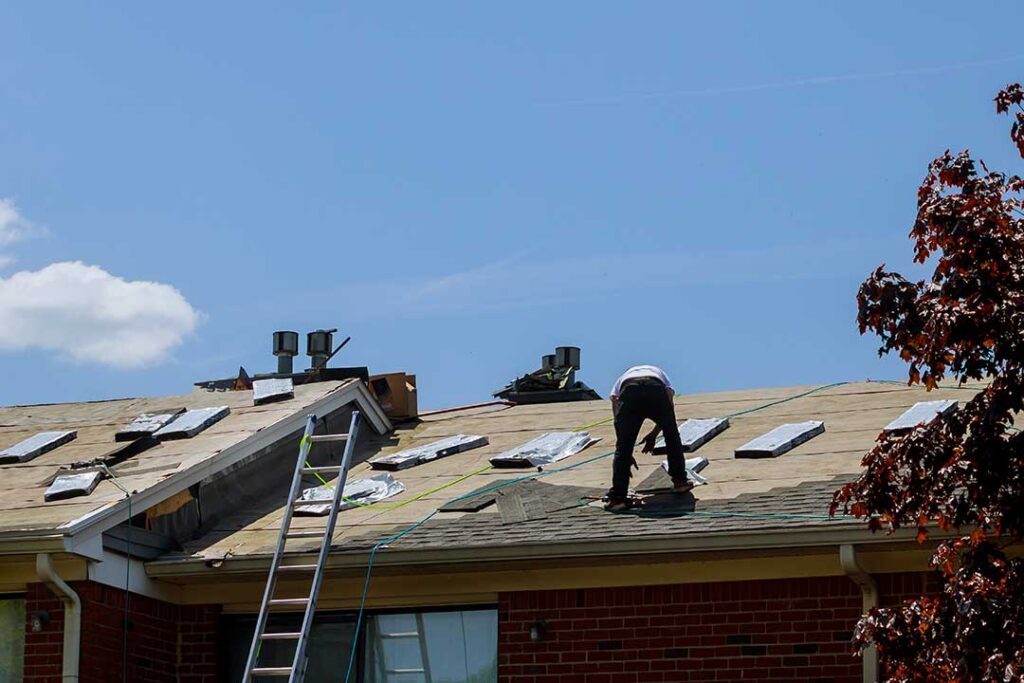
Is It Ever Really Safe to Repair Your Own Roof in Coxsackie, NY?
For many local homeowners, the idea of tackling roof repairs themselves comes up with each loose shingle or leak. Roof work can sometimes be managed safely, but several important factors will determine whether it's appropriate to handle the job on your own. In Coxsackie, where winters bring snow and summers can see heavy rainstorms, safety and caution are even more critical.
Understanding your own comfort level with heights, knowledge of tools, and ability to identify hazards is essential. Even what appears to be a simple fix can become dangerous quickly if not approached properly, so making a decision requires an honest assessment.
What Types of Roof Tasks Are Generally Safe for Residents to Handle?
Limited, low-risk tasks can typically be managed by residents with minimal risk if safety guidelines are followed. Examples include:
- Cleaning debris from gutters after fall or spring storms using a stable ladder
- Replacing a single shingle or two within arm’s reach of a ladder
- Checking your attic for signs of water intrusion or moisture after a heavy rain
- Examining vent pipes, flashing, and visible fasteners from below or from the top of a ladder (not stepping onto the roof itself)
Each of these tasks avoids extended time on the roof surface itself and minimizes fall risk. Gently clearing moss with a broom or sweeping off light debris are also usually safe if you stay firmly on a dry, ground-set ladder.
In Coxsackie, older homes often have steeper roof pitches, so more than minor tasks become risky quickly. Any work involving removal or installation of several shingles, repairs to structural elements, or the use of power tools at height is best left to those with proper safety gear and expertise.
How Does Weather in Coxsackie Affect DIY Roof Safety?
Weather greatly affects when and how roof work can be done. For local residents, icy winters, spring thaws, and summer humidity all play a role.
Direct answer: Avoid roof work during or after any precipitation, in icy or frosty conditions, or when strong winds are present.
Coxsackie’s climate means that:
- Slick surfaces persist into late morning after a frost or freeze
- Rain can create dangerous algae or moss buildup on shaded portions
- Sudden summer storms may arrive quickly, so monitoring the forecast is critical
Even on a dry, cool day, roof materials may be slippery with dew before mid-morning and again as the sun sets. Whenever possible, choose a day with low wind, mild temperatures, and steady, clear weather, and plan to work during daylight hours.
What Personal Factors Should You Consider Before Attempting Roof Repairs?
Before you decide to handle a repair, take stock of your physical abilities, comfort with heights, and relevant experience.
Direct answer: Those uncertain about heights, anyone with mobility or balance concerns, and individuals lacking basic hand tool or ladder skills should not attempt roof work themselves.
Local context: Many homes in the city include older farmhouses, Victorians, and ranches, sometimes with additions or complex rooflines. Working on intricate or high sections, especially above a second story, compounds risk even for those with DIY experience.
Common questions to consider:
- Is the repair area easy to access from a ladder, or does it require venturing far onto the roof?
- Do you have another adult present in case of emergency?
- Are you familiar with safety harnesses, ladder footing, and recognizing roof rot or weak decking?
If any of these answers cause hesitation, it’s wise to err on the side of caution.
Are There Local Codes or Safety Rules Affecting DIY Roof Work in Coxsackie?
Direct answer: Homeowners are allowed to perform certain maintenance on their own property, but structural modifications, major repairs, or any work that changes the overall roofline often require municipal permits and inspections.
In Coxsackie, residential properties fall under specific local and New York State building codes:
- Repairs that involve only surface materials, like replacing one or two shingles, are typically allowed without a permit.
- Replacing large sections of roofing material, altering roof structure, or changing roof ventilation often require notification and a permit from the city’s building office.
- Working on multifamily dwellings, historic homes, or anything involving electrical components usually has stricter regulation.
Neglecting to follow these rules can result in fines or insurance issues, so always check the city's guidelines before starting anything beyond light maintenance.
What Equipment Is Needed to Safely Attempt Roof Upkeep?
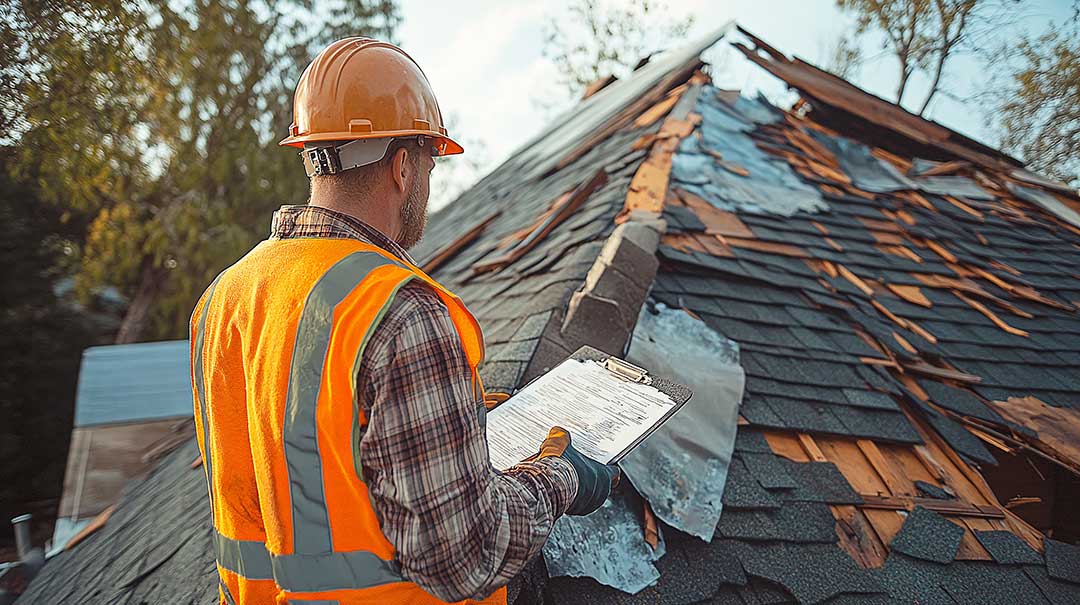
For small repairs or inspections, proper equipment is a must. Only consider a task if you have reliable access to:
- A sturdy, properly rated ladder with slip-resistant feet
- Work gloves and protective eyewear
- Footwear with solid traction (avoid sandals or smooth-soled shoes)
- A harness and roof anchor for any task that requires stepping off a ladder
- Hand tools in good repair, such as a hammer, pry bar, and utility knife
Without this equipment, even simple jobs quickly become unsafe. Make sure everything is in working order before you start, and never improvise with makeshift supports or ladders. In rural areas outside the main village where terrain can be uneven, double-check ladder placement and footing for extra stability.
What Signs Indicate a Roofing Job Is Too Risky to Tackle Alone?
Some clear warnings mean a roofing job should not be handled solo:
- Visible sagging, soft spots, or evidence of structural rot anywhere on the roof or in the attic
- Leaks sourcing from multiple spots or near electrical wiring
- Mold, animal nests, or debris that requires significant removal
- Any work near power lines or over chimneys
- Steep roofs (common locally, especially in older neighborhoods) or anything requiring walking more than a couple of feet from the ladder
Attempting these types of repairs without proper training and equipment is hazardous and can make existing damage worse, aside from risking severe injury.
What Do Area Residents Usually Overlook About DIY Roof Work?
Local households sometimes underestimate these critical points:
- The steepness and height of their own roof, especially after changes like second-story additions or dormers
- How quickly conditions can shift—sudden fog, unexpected rain, or wind gusts are frequent in this part of the Hudson Valley
- The impact of previous repairs—layered shingles or older patches can create hidden weak spots
- That even small plumbing vent or flashing repairs can result in leaks or attic mold if improperly installed
Neighbor experience or a successful YouTube project doesn’t guarantee safety. Taking time to evaluate your specific roof, paying attention to weather reports, and understanding local code requirements can make a significant difference in the outcome.
