
What Are Roof Valleys and Why Do They Matter?
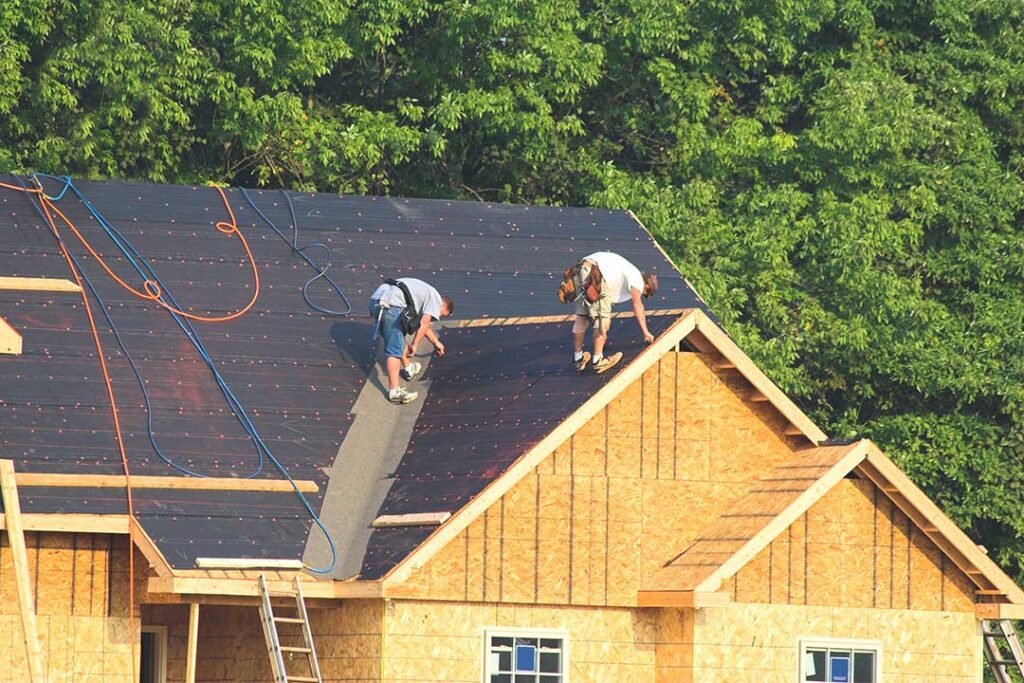
Roof valleys are the troughs or channels where two sloping sections of a roof meet, creating a natural path for water to flow off the roof. In homes across Coxsackie, NY, valleys tend to collect and direct large amounts of rainwater and melting snow. Because of this concentration, any weakness in a valley is more likely to lead to leaks or damage than most other areas of a roof. Well-built valleys are key for effective drainage and long-term roof health, especially given the region’s variable weather through the year.
How Can You Tell if a Roof Valley is Failing?
The first indicators of trouble in a roof valley are typically subtle but become serious if ignored. Residents might notice:
- Damp spots or stains forming on interior ceilings or walls beneath where two roof slopes meet
- Shingles in the valley that appear out of alignment, curled, cracked, or missing
- Rusted, bent, or deteriorating metal flashing (the protective metal layer lining many valleys)
- Debris accumulation, such as leaves or branches, causing persistent dampness or visible mold
If any of these issues are present, it's a strong sign the valley isn’t channeling water effectively and may already be letting moisture in.
Why Are Roof Valleys Vulnerable in the Local Climate?
Due to Coxsackie’s four-season weather pattern—including heavy spring rains, fall leaf drop, and freeze-thaw cycles—roof valleys here face distinct pressures. Ice dams, common in winter, can trap water in valleys, leading to seepage under shingles as the ice slowly melts. Leaves and branches that accumulate every autumn raise the risk of blockages, which may promote rot or moss growth. Repeated expansion and contraction from seasonal temperature swings can also weaken valley materials over time, especially if the valley isn’t shielded by quality flashing or underlayment.
What Should You Look For During a Visual Inspection?
Checking roof valleys safely from the ground or through upper-story windows can reveal the most obvious signals of trouble. During your inspection, focus on:
- Color changes: Dark streaks or spots in a valley often mean moisture has been trapped or is seeping under shingles.
- Sagging or uneven lines: Valleys should look like straight, clear channels. Sagging indicates underlying wood damage or accumulated debris.
- Exposed underlayment: Roof valleys where felt or roofing membrane is visible suggest shingle loss or shifting—an open invitation for leaks.
Use binoculars for a closer look and avoid climbing on the roof if it's wet, snowy, or steep.
Are Leaks Always the First Sign of Valley Failure?
Not always. In many homes, early valley issues appear before leaks become visible indoors. Some less obvious cues include:
- Musty smells in attic spaces on rainy days, even if no water stains are present yet
- Unusual amounts of granules washing out of downspouts after storms (granules help protect asphalt shingles)
- Persistent icicles hanging directly from valley areas in winter, which can mean melting snow is refreezing due to poor drainage
Spotting these early can prevent more extensive water damage within the roof structure or insulation.
What Are Common Mistakes People Make When Inspecting Roof Valleys?
Homeowners sometimes misinterpret normal wear for urgent problems or, conversely, miss subtle but worrisome indicators. Common pitfalls include:
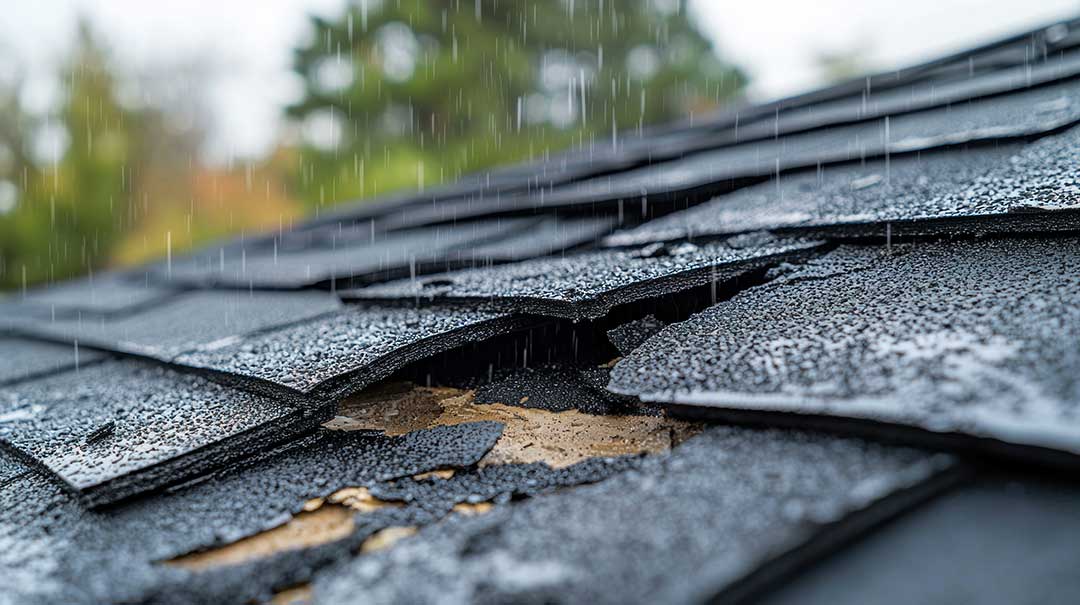
- Assuming valleys covered by debris are simply messy, not recognizing hidden decay or water pooling beneath
- Ignoring minor cosmetic damages, like small cracks in flashing, which can expand and cause extensive issues after a harsh winter
- Overlooking valleys on less-visible sides of the home, especially those above porches or garages
Prioritizing all valleys, not just those you see most often, helps ensure comprehensive protection.
How Often Should Roof Valleys Be Checked Around Coxsackie?
Given the climate and prevalence of older homes in Coxsackie, checking roof valleys twice a year—ideally in late spring and mid-fall—is a sensible routine. After major storms or periods of heavy snow, an extra check can catch problems while they’re still minor. For those living among large trees, more frequent inspections help avoid problems from branch and leaf buildup.
Can Smaller Signs of Trouble Wait for Repairs?
Even minor damage in a roof valley can worsen quickly, especially during the damp, windy, or snowy periods typical in the region. Moisture entering through small flaws will often travel further into the home, turning a simple fix into a larger and more costly repair. When potential problems appear, documenting them and making a repair plan sooner rather than later usually saves time and stress.
What Maintenance Habits Help Prevent Valley Issues?
Simple seasonal habits reduce the risk of valley failure, such as:
- Clearing valleys of leaves, pine needles, and other debris after heavy wind or autumn drop
- Trimming overhanging branches to limit year-round buildup and shade (which can encourage moss)
- Watching for loose or shifted shingles after storms with high winds
- Keeping gutters and downspouts clear so water doesn’t back up into valley areas
Consistent, careful attention is often enough to keep valleys flowing and extend roof life, especially in the damp spring and leaf-heavy fall typical of the region.
