
What Does the Roofing Process Involve for a Typical Home in Coxsackie, NY?
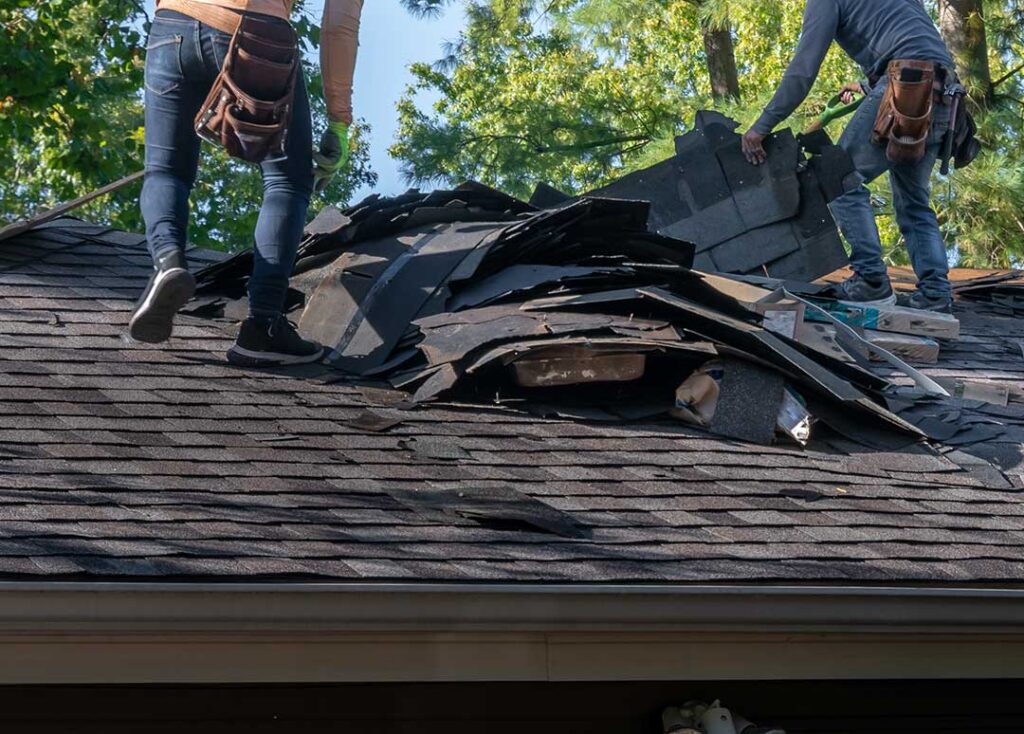
The roofing process for area homes includes careful steps designed for local weather and building types. Most projects start by removing the old roof (unless it's a new build), inspecting the structure, and then installing new materials suitable for the climate. The entire process is coordinated to manage risks from rain, wind, and temperature changes that are common in this region.
Local houses often have steep-pitch roofs to shed snow, and materials must stand up to winter ice and summer humidity. Roofing here usually means dealing with shingles, but metal, slate, and rubber roofs are also found on older or specialized homes.
How Do You Prepare for Roof Work in the Community?
Preparing for roof work in this area means more than picking a material. The process begins with:
- Checking municipal guidelines or HOA rules regarding colors, materials, or historic preservation, as Coxsackie has a mix of old and newer homes.
- Timing the project with weather patterns; most local roofing work is scheduled in late spring, summer, or early fall, when rain is less likely and temperatures are comfortable.
- Making arrangements for pets and parking, since homes are close together and many roofs require space for dumpsters or equipment.
Residents should always consider safety, especially with power lines and nearby trees, which are common hazards in the city’s neighborhoods.
What Happens During the Roof Removal and Inspection Step?
Most roof replacements in Coxsackie start by stripping away all old shingles and underlayment. This can reveal issues like:
- Damaged or rotting wood from repeated winter freeze and thaw cycles.
- Water intrusion in valleys and chimneys, areas susceptible to leaks in local architecture.
Once the decking is exposed, a thorough inspection is done. Structural repairs are handled before new layers are put on, preventing future issues from being hidden under new materials.
Which Roofing Materials Are Most Common for Area Homes?
Asphalt shingles remain the most popular for local households, largely due to their cost-effectiveness and good performance against the region’s weather. Depending on the home’s style and age, some residents may have:
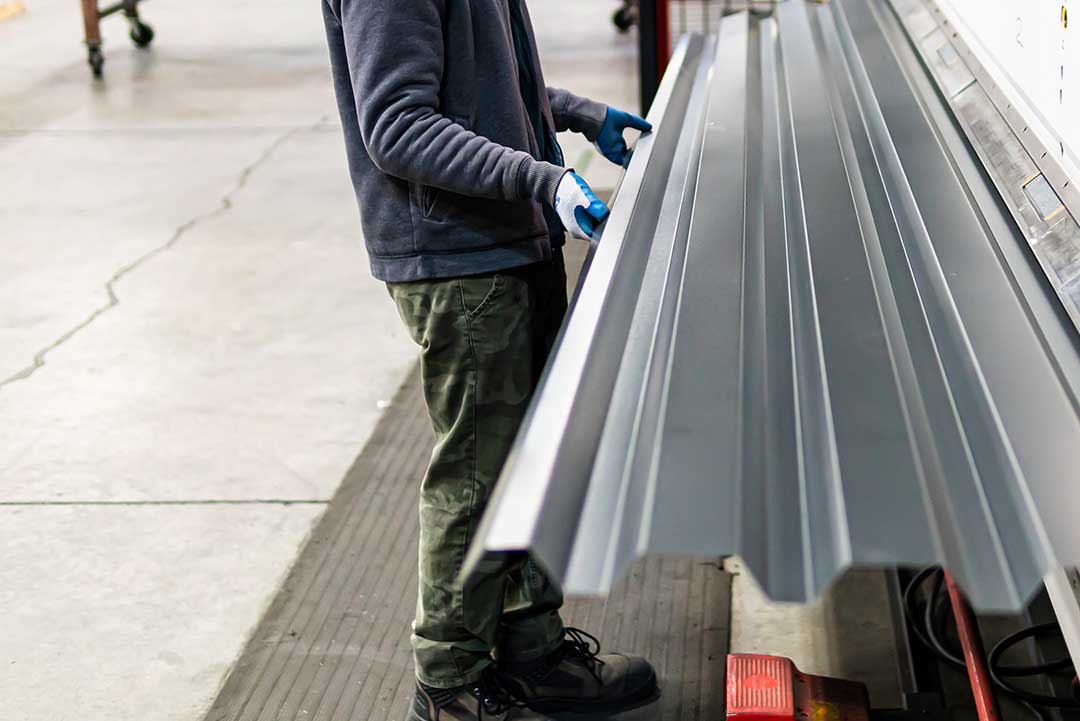
- Metal roofs (valuable for handling snow and reflecting heat).
- Slate or synthetic slate (occasionally found on historic homes).
- Rubber or modified bitumen (sometimes used for low-slope sections, like porches or additions).
Local weather—frequent freeze-thaw cycles, occasional hail, high humidity—means residents look for options rated for durability and specific environmental demands.
How Long Does a Roofing Project Typically Take?
For a standard-size residential roof, most replacements in the community can be completed in two to five days, barring weather delays. Factors influencing the timeline include:
- Complexity of the roof shape.
- Unplanned repairs discovered during removal.
- Number of layers to be removed.
If summer thunderstorms or unexpected rain hits, work will pause to prevent water intrusion, sometimes prolonging the process.
What Are Common Mistakes and Misconceptions About the Local Roofing Process?
A few key misconceptions often affect homeowners:
- Believing shingles can be installed in freezing temperatures. Most materials require warmth to seal properly; late fall or winter installations may underperform.
- Underestimating the value of attic ventilation. Local humidity and snowmelt require attics to be well-ventilated to prevent mold and ice dams.
- Thinking repairs can be delayed until visible leaks appear. Small shingle failures, especially after windstorms, can let water into insulation and wood, causing hidden damage.
What Should Residents Watch for After the Roof Is Complete?
After completion, a careful cleanup ensures nails and debris won’t pose a risk to children, pets, or lawns. Residents should:
- Inspect the attic after heavy rain to check for leaks that might have been missed.
- Watch for loose flashing, particularly around chimneys and eaves, since these are common trouble spots in homes across Coxsackie.
- Schedule periodic visual inspections, especially after winter storms or high winds.
How Does Coxsackie's Climate Affect Roofing Choices and Maintenance?
The city’s climate—with its humid summers, cold winters, frequent rain, and snow—means roofs must be versatile and maintained properly. New installations often include underlayment and ice barriers specifically to address local risks. Annual inspections, routine gutter cleaning, and immediate attention to any ice dam formation help prolong roof life.
Understanding the specific process and environmental demands can help local homeowners safeguard their investment and maintain the comfort and safety of their homes for years to come.
