
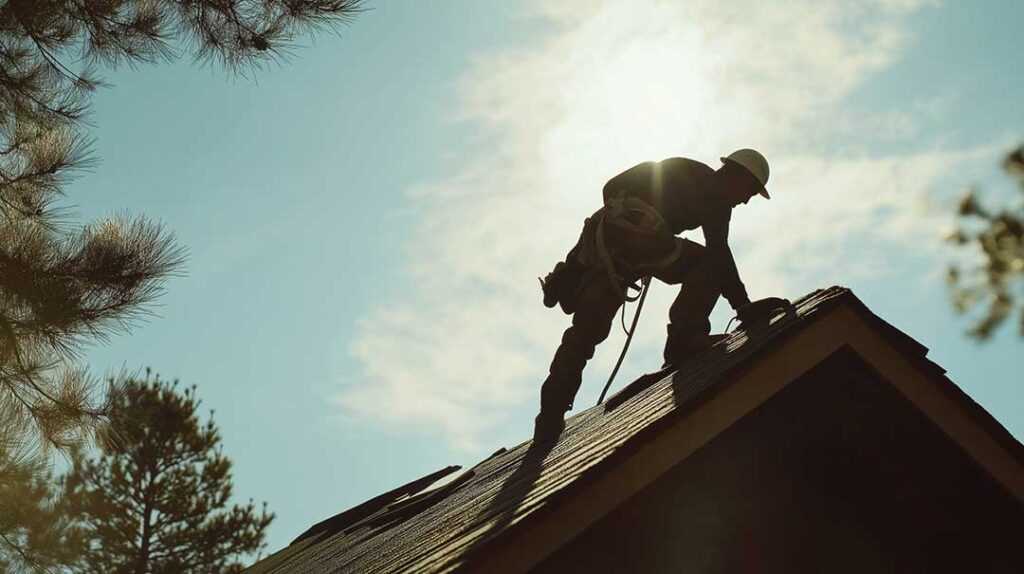
Roof repairs can range from replacing a few damaged shingles to correcting leaks around flashing, chimneys, skylights, or roof valleys. Choosing the right roofing company in Coxsackie, NY requires more than comparing prices. The most reliable choice is usually the company that can clearly explain the problem, document the needed work, and provide terms that are easy to understand.
What should be checked before choosing a roofing company?
Before comparing repair prices, verify that the company is established, properly insured, and experienced with the type of roof involved. A basic review of its credentials can prevent problems later.
Ask for:
- A written business name and physical mailing address
- Proof of liability insurance
- Workers’ compensation coverage if employees will be on the property
- References or examples of similar repair work
- A written description of the proposed repair
- Warranty information for both labor and replacement materials
Insurance matters because roof work involves fall hazards, ladders, tools, and possible damage to the structure. A homeowner should not assume that a company’s insurance covers every worker or subcontractor. It is reasonable to ask whether the coverage applies to the people who will actually perform the repair.
Experience with the specific roofing material also matters. Asphalt shingles, standing-seam metal, low-slope roofing, slate, and older specialty materials do not all use the same repair methods. A company that mainly installs one type of roof may not be the right fit for another.
How can a homeowner tell whether the repair diagnosis is reliable?
A trustworthy diagnosis should identify the likely source of the problem, not just the visible stain or missing shingle. Water can travel beneath roofing materials before appearing inside, so the location of an interior mark is not always the location of the roof failure.
A useful inspection should consider:
- Damaged, lifted, cracked, or missing shingles
- Flashing around chimneys, walls, vents, and roof edges
- Roof valleys where water collects and flows quickly
- Penetrations such as plumbing vents and skylights
- Gutters, downspouts, and areas where drainage is restricted
- Signs of wind damage, ice movement, moss, or long-term moisture
- Attic insulation, sheathing, and ventilation when accessible
The company should be able to explain what was observed and why the proposed repair addresses it. Photographs are especially helpful when the issue is difficult to see from the ground. A diagnosis that relies only on a quick visual glance from the driveway may not be sufficient for a persistent leak.
A second opinion can be useful when the proposed work is extensive, when a repair is described as urgent without supporting evidence, or when one inspection recommends replacement while another recommends a limited repair.
What should a written roofing repair estimate include?
A written estimate should be specific enough that a homeowner can compare it with another proposal. A single total price without details makes it difficult to determine what is included.
The document should describe:
- The location and nature of the damage
- The materials to be removed and installed
- Whether underlayment, flashing, ventilation components, or decking are included
- How debris and removed materials will be handled
- Whether temporary protection is needed before permanent work
- Labor and material costs
- Possible additional charges and the conditions that would cause them
- Payment timing and the amount of any deposit
- Labor and material warranty terms
A repair estimate is not the same as a guarantee that no additional damage will be found. Roofing crews may discover deteriorated wood or hidden moisture after removing shingles. However, the process for handling unexpected conditions should be explained in advance. A homeowner should know who approves extra work and how the revised price will be documented.
Be cautious with vague language such as “repair as needed” or “replace damaged areas” if the document does not define the affected area or materials. Clear wording reduces disputes.
How many roofing companies should be compared?
For a routine repair, comparing two or three qualified companies is usually enough to identify major differences in diagnosis, scope, and pricing. The goal is not to collect as many numbers as possible. It is to compare similar work from companies that appear capable of performing it safely.
The lowest price may not represent the lowest total cost. A cheaper proposal may leave out flashing replacement, underlayment, site protection, cleanup, or repairs to damaged decking. A much higher price may include unnecessary work, but a low price may also reflect an incomplete scope.
When comparing proposals, place the descriptions side by side. Check whether each company is pricing the same materials, the same repair area, and the same preparation work. Differences should be explained rather than judged by the total alone.
What questions should be asked before work begins?
A short conversation can reveal whether the company communicates clearly and plans the work responsibly. Useful questions include:
- Who will supervise the repair?
- Will employees or subcontractors perform the work?
- How will landscaping, siding, windows, and driveways be protected?
- How will the roof be covered if weather interrupts the repair?
- What happens if additional damage is found?
- How will nails and debris be collected?
- What weather conditions would delay the work?
- How will the completed repair be inspected?
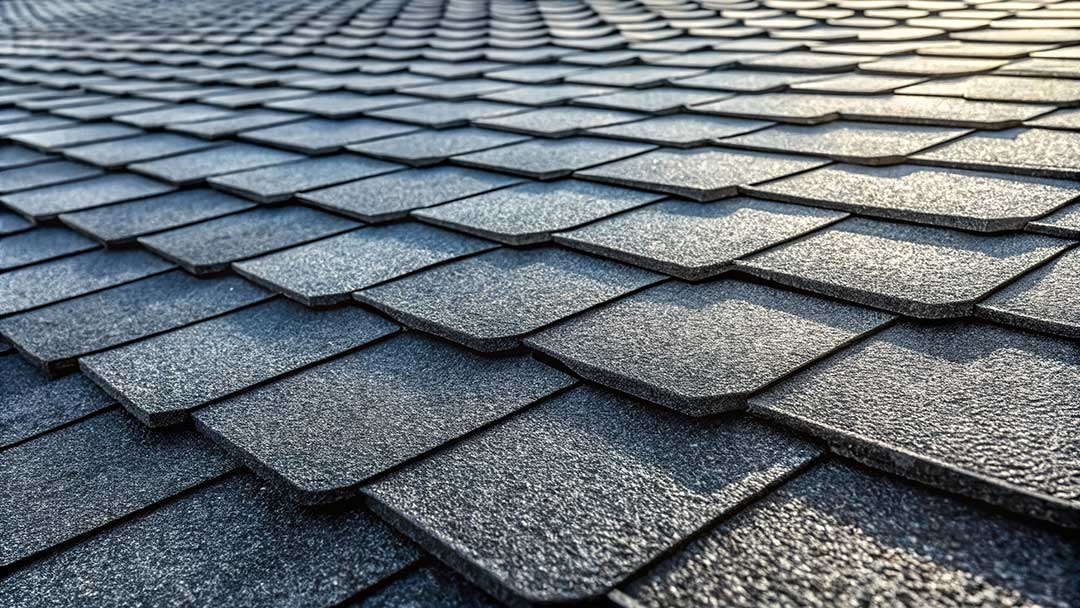
These questions are particularly relevant in Coxsackie, where roof repairs may need to account for freeze-thaw cycles, wind, heavy rain, snow, and periods of rapid seasonal temperature change. A repair that leaves exposed materials or incomplete flashing can be vulnerable if weather changes before the work is finished.
The company should also explain whether the roof can be safely accessed. Steep slopes, wet surfaces, ice, unstable ladders, and damaged decking create hazards that should not be treated casually.
Are online reviews enough to choose a roofing company?
Online reviews can identify patterns, but they should not be treated as proof of quality by themselves. Reviews may describe communication, punctuality, cleanup, or how a company handled a dispute, but they often do not reveal whether the technical repair was correct years later.
Look for consistent information across several sources:
- Reviews that describe similar repair work
- Responses to complaints that remain factual and respectful
- References from recent customers
- A history that does not appear to change names frequently
- Clear written policies and contact information
- Evidence of experience with the roof’s material and design
Be cautious of pressure tactics, unusually large deposits, requests for full payment before work begins, or claims that a repair must be approved immediately without documentation. Storm-related damage can create a busy market for roof repairs, but urgency should not eliminate normal checks.
When is a repair appropriate, and when may replacement be considered?
A repair may be reasonable when damage is limited, the surrounding roofing remains in usable condition, and the underlying structure is sound. Replacement may deserve consideration when leaks are widespread, the roof is near the end of its expected service life, materials are failing across multiple areas, or repeated repairs are no longer addressing the underlying problem.
The decision should be based on the roof’s condition rather than on age alone. An older roof with localized damage may still be repairable, while a newer roof with widespread installation or storm damage may require more extensive work.
Ask the company to separate immediate safety concerns from longer-term recommendations. A temporary measure may be appropriate after a storm, but it should be identified as temporary and accompanied by a clear explanation of what permanent work remains.
What warning signs suggest avoiding a roofing company?
Warning signs include refusing to provide insurance information, avoiding written estimates, demanding full payment before work begins, changing the scope without documentation, or offering a diagnosis that cannot be explained.
Other concerns include:
- Unmarked or unidentified workers arriving without notice
- Pressure to sign immediately
- Promises that insurance will cover all costs
- A request to exaggerate or misrepresent damage
- No explanation of warranties or exclusions
- Work that begins before permits or required approvals are clarified
- A price that changes repeatedly without a written reason
A sound roofing decision is based on documented conditions, clear communication, safe work practices, and a repair plan that matches the actual problem. For local households, those basics are more useful than impressive promises or a low number presented without details.
