
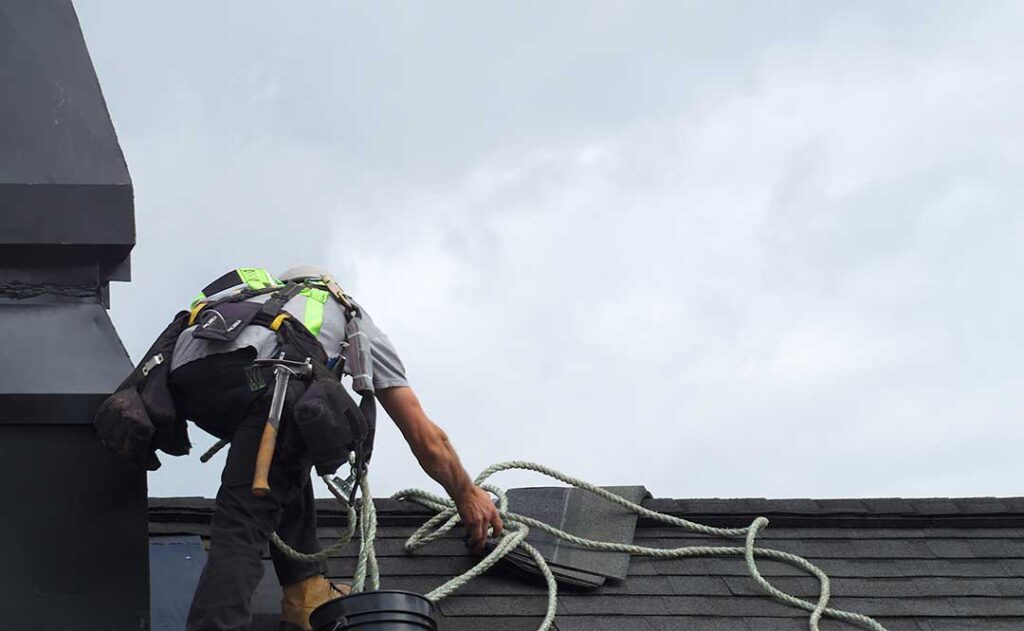
Can Sports Balls Really Harm a Roof?
A stray sports ball may not seem like a major concern, but repeated impacts and debris from games can cause real damage to roofing materials over time—especially in residential areas where backyards, driveways, and community parks are close to homes. In Coxsackie, where outdoor activities increase during the warmer seasons, it’s common for soccer balls, basketballs, baseballs, and footballs to find their way onto rooftops. While a single incident is unlikely to create immediate issues, accumulated effects or heavier projectiles can compromise a home’s protection.
What Types of Roof Damage Can Happen?
Sports balls can affect a roof in different ways depending on the material and the force of impact:
- Shingles May Crack or Loosen: Asphalt shingles can become brittle, especially after harsh winters or summer sun. Repeated hits may crack shingles, knock them loose, or dislodge protective granules. Shingle damage, even if small, can promote leaks and shorten roof life.
- Gutters and Flashing Take a Beating: Direct hits to gutters or flashing may bend or dislodge these elements, disrupting water flow. Gutter damage is especially likely when balls repeatedly strike from the same angle or if heavy projectiles are involved (like basketballs soaked in rain).
- Roof Vents and Skylights Are Vulnerable: Roof fixtures, such as vents or skylights, can crack or lose seals when hit. Baseballs and similar hard balls have caused broken plastic vent covers and dented metal vents.
- Clogged Gutters and Downspouts: Sports balls can land in gutters, blocking water drainage. Debris buildup often follows, increasing the risk of ice dams in winter and water overflow during spring storms.
- Hidden Structural Stress: Impacts might not cause visible issues right away, but repeated force over months or years can loosen nails, shift flashing, or introduce subtle vulnerabilities that lead to bigger problems after a storm.
Why Does Roof Age and Condition Matter?
Older or weather-worn roofs are more susceptible to ball-related damage. In the Coxsackie area, the freeze-thaw cycle and humid summers can stress roofing materials, making them less resilient to impact. Homes with roofs near the end of their lifespan or those showing signs of previous damage—such as missing shingles or worn sealant—are at greater risk of developing leaks and persistent issues from even minor ball impacts.
Are Certain Sports Balls More Damaging Than Others?
Larger and heavier balls (like basketballs or heavy soccer balls) tend to cause more physical damage, especially to lighter roofing materials or fixtures. Hard, smaller balls—like baseballs or softballs—can crack or dent vents, skylights, or even break weaker tiles. Even lightweight rubber balls, over time, can wear down off older or poorly maintained roofs through repeated contact.
What Are the Most Common Scenarios in Coxsackie?
Typical scenarios include:
- Children or teens regularly playing sports in yards or driveways adjacent to homes, making roof impacts a common occurrence.
- Community parks or fields bordered by residential streets, where balls can travel significant distances during games.
Seasonal patterns matter, too. Local residents often move outdoor games back to yards and driveways as soon as spring arrives, leading to more frequent accidental roof impacts. Winter games involving snowballs or ice chunks can also create heavier impacts, especially following a wet, heavy snowfall.
Should Residents Worry About Small, Infrequent Impacts?
One-time or rare impacts are unlikely to cause significant problems, especially on newer roofs. The greatest risk comes from frequent hits in the same location or from heavier sports balls. However, even infrequent impacts can dislodge debris or cause hidden cracks, especially on roofs that are already weakened or aging.
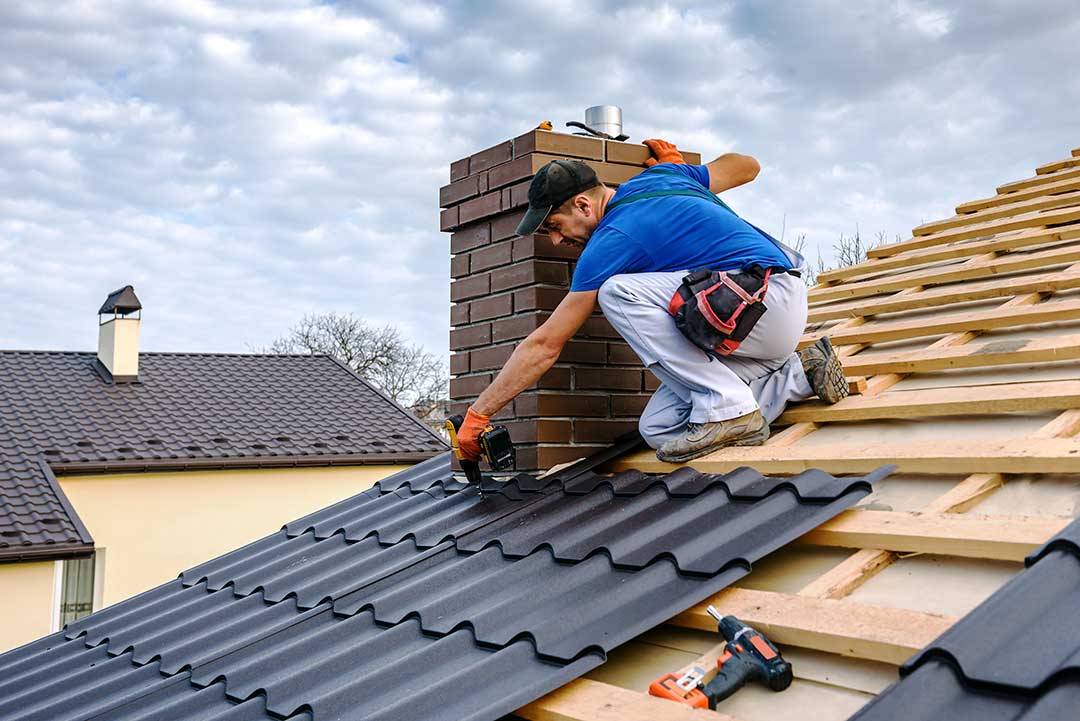
Can Climbing on the Roof to Retrieve Sports Balls Make Things Worse?
Climbing on a roof to retrieve balls presents much more risk than the balls themselves. Roof surfaces can be slippery, especially with morning dew, recent rain, or in icy seasons. Walking on shingles can break or dislodge them, and steep inclines or high roofs in the Coxsackie area make falls a serious safety concern. It is much safer to use long-handled retrieval tools from the ground or wait for the ball to roll down naturally.
How Can Households Minimize Roof Damage from Sports Balls?
Residents often wonder about preventative steps. While outdoor play is an important part of the community's lifestyle, a few simple measures can reduce the likelihood of roof damage:
- Encourage play away from the house or beneath mature trees, which can provide a buffer (as long as branches don’t reach the roof themselves).
- Teach children about the risk of throwing or kicking balls toward rooftops.
- Install netting or fencing alongside high-traffic recreation zones, where feasible, to block errant balls.
- Regularly check that gutters and roof fixtures are clear from debris and check visible shingles for cracking or lifting after known impacts.
Are There Misconceptions About Sports Ball Damage?
A common misconception is that only major storms or falling tree limbs can seriously impact a roof. In reality, routine neighborhood play can gradually undermine roof integrity—particularly if maintenance is delayed. Another misconception is that only hard projectiles pose risks. Even softer balls can contribute to shingle wear or block water drainage over time, especially if not removed promptly.
When Should Residents Seek a Closer Inspection?
Visual checks from the ground after a known roof impact are usually sufficient. However, if you notice missing or cracked shingles, leaks after rain, or visible dents in vents, further inspection may be necessary. During heavy play seasons or after noticeable impacts, routinely observing from ground level helps catch minor issues before they escalate.
