
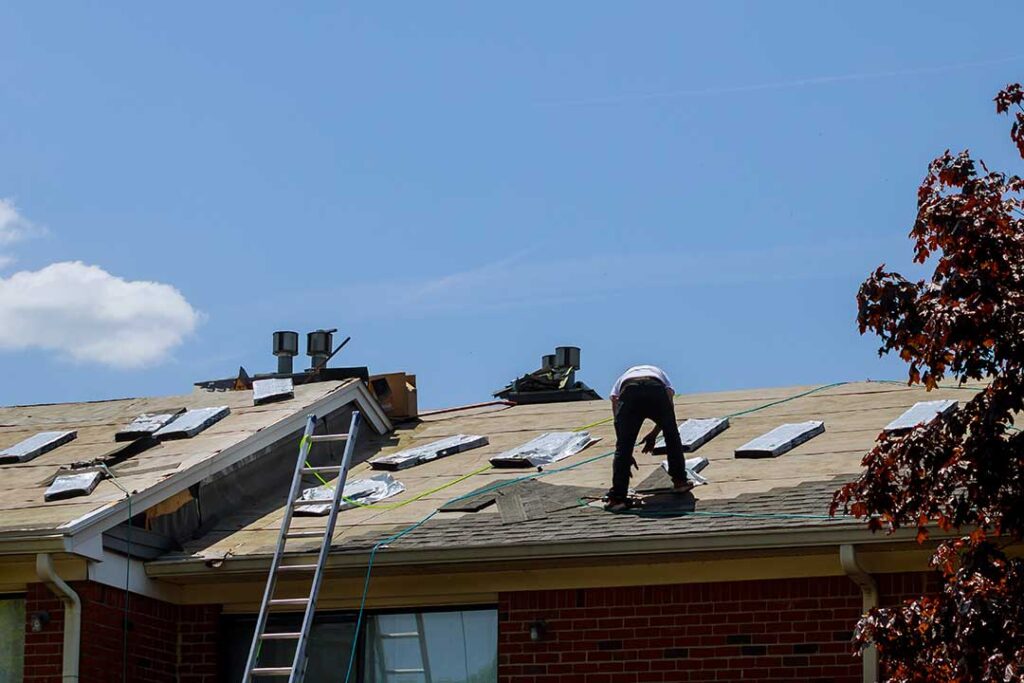
How do pests get into a roof?
Pests usually enter through small breaks in the roof system, attic ventilation, eaves, or areas where roofing materials meet walls and chimneys. An opening that looks minor from the ground may be large enough for mice, bats, squirrels, birds, or insects.
The roof is part of a larger exterior barrier. Pests may enter through:
- Lifted, cracked, or missing shingles
- Gaps along drip edges, fascia, and soffits
- Damaged ridge vents or roof louvers
- Openings around plumbing vents and electrical penetrations
- Loose flashing around chimneys, skylights, and wall intersections
- Unscreened gable or attic vents
- Deteriorated wood at roof edges
- Holes created by animals enlarging an existing defect
Once inside the roof assembly or attic, pests may move through insulation, wall cavities, and ceiling spaces. That is why scratching sounds or droppings in one area do not always identify the original entry point.
Which pests commonly enter roofs in Coxsackie?
In Coxsackie, seasonal changes, wooded lots, older housing, and homes with mature trees can create several pathways to the roof. Cold weather also encourages animals to seek protected spaces above ceilings and inside attics.
Common roof and attic intruders include:
- Mice: Small gaps near eaves, vents, and utility penetrations may be enough for entry. Mice can also travel along branches, wires, and rough siding.
- Squirrels: These animals may chew through soffits, fascia, vents, or weakened roof decking. They are especially active around trees close to a roof.
- Raccoons: A damaged roof edge or loose vent cover can provide access to a warm, sheltered attic. Their weight and repeated movement can worsen an opening.
- Bats: Bats can use narrow gaps near flashing, roof joints, soffits, and vents. Their presence may be noticed through nighttime activity or droppings near an entry point.
- Birds: Birds may enter through damaged vents, uncapped openings, or missing screens and may build nests in attic spaces.
- Wasps, bees, and hornets: Insects often use gaps behind fascia, under shingles, around vents, or in wall-roof connections to establish nests.
- Carpenter ants and other insects: Moist wood caused by roof leaks can attract insects or make existing damage easier to expand.
Not every pest found in an attic entered directly through the roof. Some move upward from wall cavities, chimneys, crawlspaces, or openings around pipes and wiring.
What roof areas are easiest for pests to use?
Roof edges and penetrations are the most common weak points because they involve several materials joining together. Movement, weather, and age can create small separations that are difficult to see from the ground.
Pay particular attention to these locations:
Soffits and fascia
Soffit panels may loosen, crack, or pull away from the edge of the roof. Fascia boards can also rot where water repeatedly reaches the wood. These areas are easy for squirrels, birds, and rodents to exploit.
Vents
Attic vents need airflow, but their openings should be protected with durable screening or properly designed covers. A damaged louver, missing screen, or bent vent can become a direct entrance.
Chimneys and flashing
Flashing seals the joints where the roof meets a chimney, wall, skylight, or dormer. Failed sealant, lifted flashing, or deteriorated masonry can create gaps. Chimney openings may also attract birds, bats, and other animals if not properly protected.
Plumbing and electrical penetrations
Pipes, wires, and exhaust ducts pass through the roof or upper exterior walls. The surrounding seal may crack with age or separate during freeze-thaw cycles. Rodents can enlarge these openings, while insects may use them as sheltered routes.
Roof valleys and areas with standing debris
Leaves, twigs, and other debris can hold moisture against roofing materials. Over time, this may encourage rot, moss growth, or deterioration near seams and edges. Debris can also conceal evidence of an entry point.
How can weather contribute to roof pest entry?
Weather rarely creates a pest problem by itself, but repeated exposure can weaken the roof’s defenses. Snow, ice, wind, rain, and temperature changes place stress on shingles, flashing, sealants, vents, and wood trim.
Freeze-thaw cycles are especially relevant in this region. Water can enter a small crack, freeze, expand, and gradually widen the opening. Wind may then lift a shingle or loosen a vent cover.
Heavy rain can expose leaks around roof penetrations. Moisture inside an attic may soften wood, damage insulation, and create conditions that attract insects. Warm air escaping into a poorly ventilated attic can also contribute to condensation, which may be mistaken for a roof leak.
What signs suggest pests are entering through the roof?
Sounds and visible damage can provide useful clues, but they should be interpreted carefully.
Possible signs include:
- Scratching, scurrying, or fluttering sounds above ceilings
- Droppings or urine odors in an attic
- Chewed wood, plastic, wiring, or vent screens
- Nesting material made from insulation, leaves, paper, or fabric
- Feathers, fur, or insect wings near openings
- Grease marks or dirt along repeated travel routes
- Damaged shingles, soffits, fascia, or roof vents
- Daylight visible through an attic wall or roof edge
- Water stains near areas where animals may have disturbed roofing
- Repeated pest activity near trees, chimneys, or roof corners
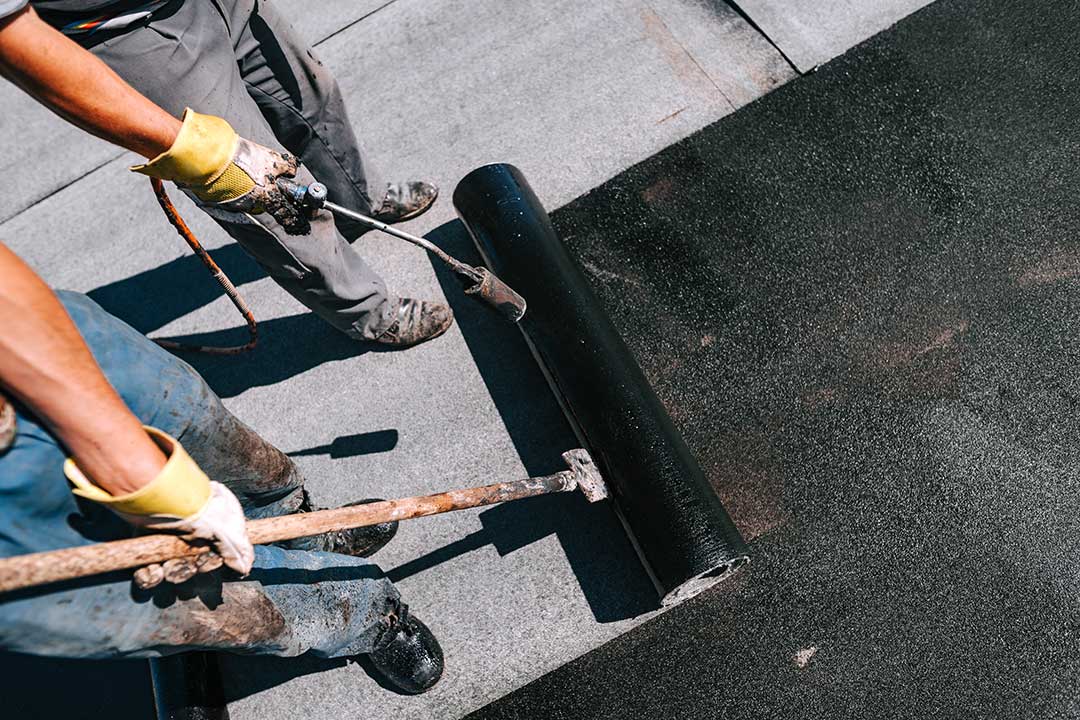
A roof opening may not show obvious signs from outside. Animals can enter, move through insulation, and leave through a different opening.
Can sealing a hole solve the problem?
Sealing an opening helps only if the roof or attic is empty. Closing an active entry point can trap animals inside, separate young animals from adults, or force them to chew a new way out.
Before sealing, determine:
- What species is present
- Whether the opening is currently being used
- Whether young animals or a nest may be inside
- Whether there are additional entry and exit points
- Whether the damage involves wiring, contamination, or structural weakness
Bats require particular care. A bat inside living space can create a possible rabies exposure concern, especially if a person or pet had direct contact. Avoid handling bats with bare hands. If contact may have occurred, prompt medical or public-health guidance is appropriate.
What can homeowners check safely?
Ground-level inspection is often the safest first step. Look along roof edges, under eaves, around vents, and near nearby tree branches. Binoculars can help identify lifted shingles, missing screens, gaps, or animal damage without climbing.
Inside the attic, check for droppings, nesting, damaged insulation, daylight, and moisture. Wear gloves, eye protection, and a suitable respirator when dealing with animal waste or disturbed insulation. Do not sweep or vacuum dry droppings, since that can spread contaminated dust.
Preventive maintenance includes:
- Keeping branches from resting on or providing easy access to the roof
- Replacing damaged vent screens with durable pest-resistant materials
- Repairing deteriorated soffits and fascia
- Maintaining flashing around chimneys, skylights, and wall intersections
- Sealing gaps around pipes, wires, and ducts with materials that rodents cannot easily chew
- Keeping attic ventilation functional without leaving openings unprotected
- Storing birdseed, pet food, and garbage securely away from exterior walls
- Removing roof debris that holds moisture against roofing materials
Roof work becomes hazardous when surfaces are wet, icy, steep, damaged, or contaminated by animal waste. Wildlife inside the living area, exposed electrical wiring, or suspected bats also warrants specialized safety guidance rather than an improvised repair.
Why is finding the entry point only part of the solution?
Pests often enter because the roof provides three things at once: shelter, warmth, and a protected route into the building. Repairing the visible hole is necessary, but lasting prevention may also require correcting moisture, trimming access routes, improving vent protection, and removing nesting material.
A complete inspection considers the entire path from the exterior roof edge to the attic and interior ceiling. That broader view helps distinguish a roof defect from a pest pathway and reduces the chance that the same opening will be used again.
